Indian Cultural Travel Without Tokenism: A Practical Field Note
How to write and travel through living traditions with curiosity, humility, and useful context.
How to write and travel through living traditions with curiosity, humility, and useful context.
Culture is not a backdrop
Good cultural travel writing treats rituals, food, dress, architecture, and oral history as living systems. It avoids turning people into scenery or reducing places to exotic mood.
The simplest test is usefulness: does the article help a reader behave better, understand more, and spend money more thoughtfully in the place?
A repeatable article structure
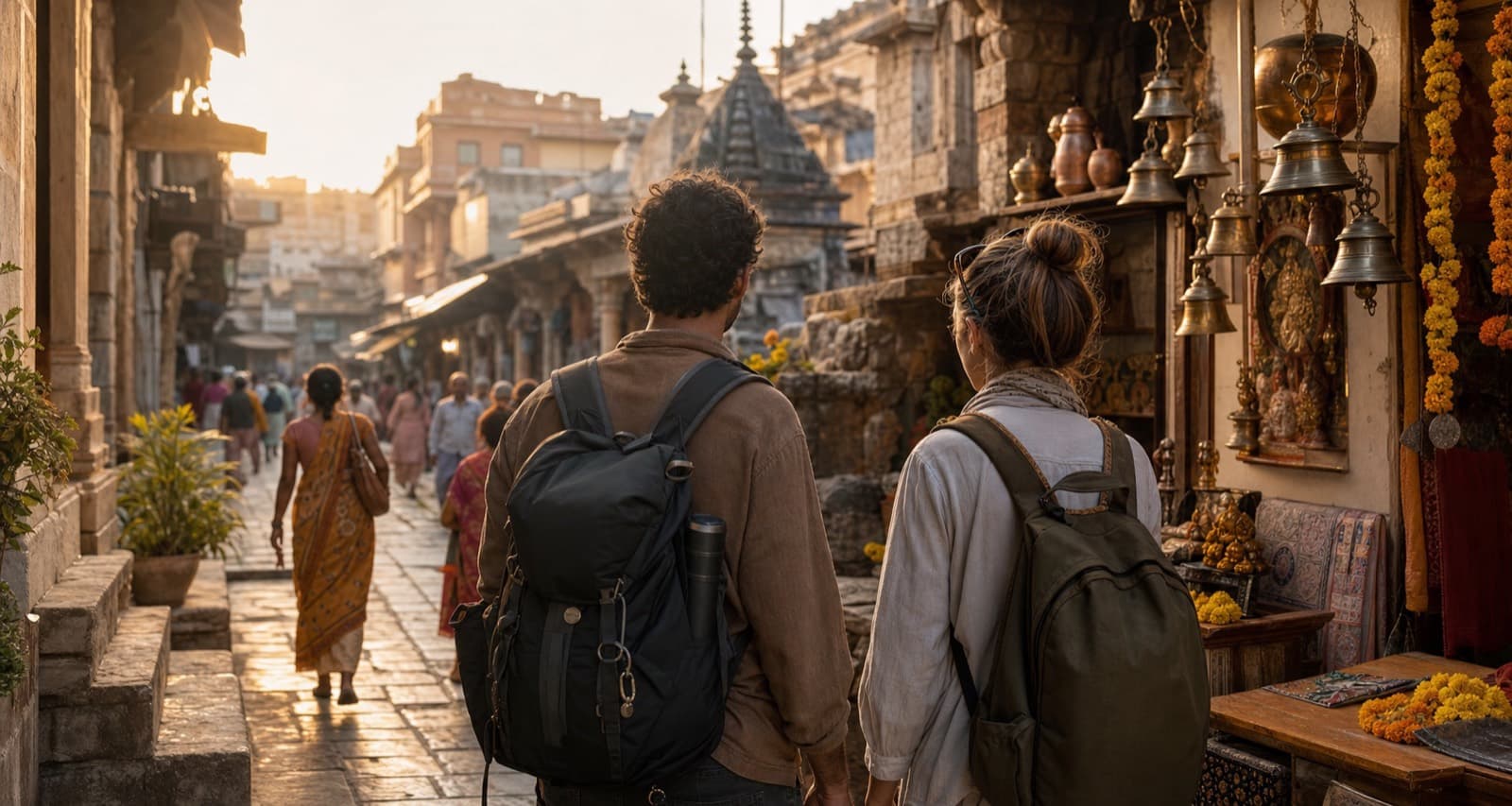
Start with the story, then explain the context, then give the traveller practical ways to experience it respectfully. Close with local voices, suggested reading, and what not to do.
Done well, this keeps a place vivid on the page without flattening the people who live there into background — and it leaves the reader better prepared to visit with care.
Common questions
Frequently asked questions
What does tokenism look like in travel writing?
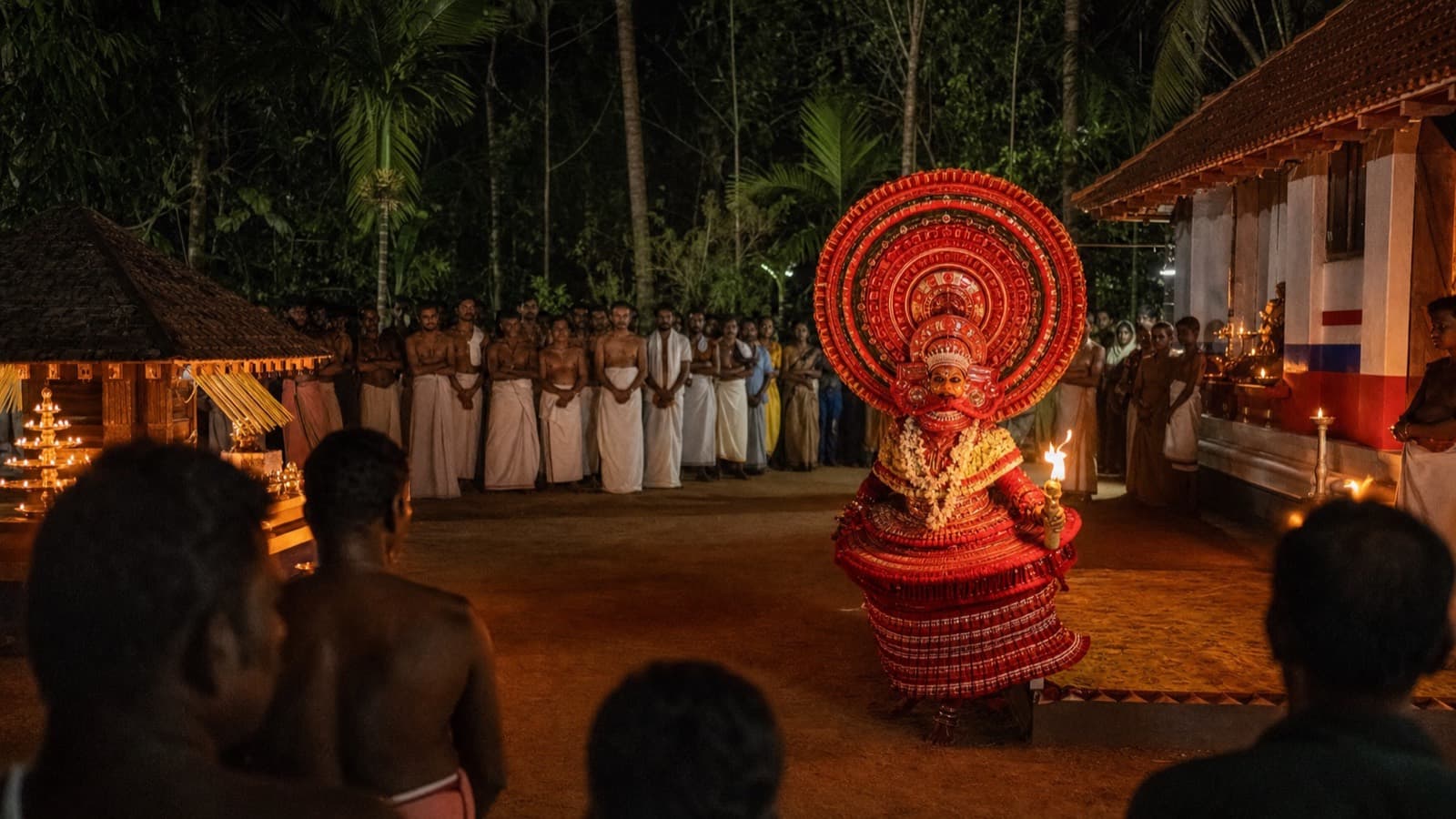
Treating rituals, dress, and people as exotic backdrops instead of living systems — a photo of a performer with no name, a festival reduced to colours, a cuisine reduced to a thali shot. The test is whether the piece helps a reader understand and behave better.
How can travellers photograph culture respectfully?
Ask before photographing people, put the camera down during moments of worship unless invited, and learn what the ritual means before publishing it. If a place asks for no photography, that is the answer.
How do I support local economies while travelling?
Spend where the money stays: local guides, family-run food, artisan purchases at fair prices, and homestays over chains where possible. Context helps here too — knowing what a craft takes to make changes what you are willing to pay for it.