Uttarakhand Road Trip: Valley of Flowers and the Pilgrim Roads
How to plan a Himalayan trip to the Valley of Flowers — when it blooms, how the trek works, and the road route through Garhwal.
How to plan a Himalayan trip to the Valley of Flowers — when it blooms, how the trek works, and the road route through Garhwal.
The bloom dictates the timing
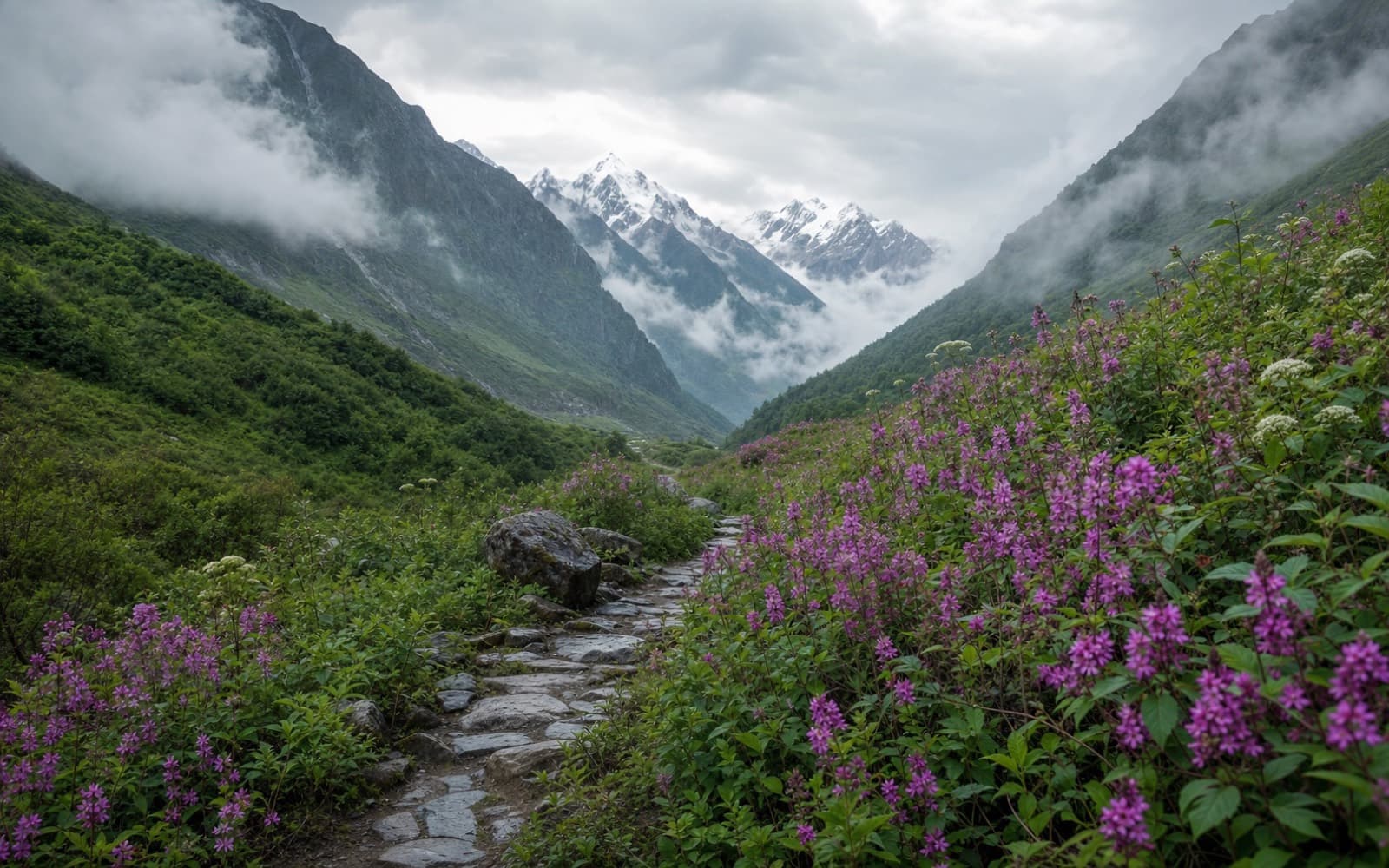
The Valley of Flowers is unusual because the very thing that makes it special — a high meadow carpeted in wildflowers — only happens during the monsoon, roughly mid-July to early September. That is also landslide season in Garhwal, so the trip is a trade-off you plan around rather than avoid: travel with buffer days, check road conditions, and never push through bad weather.
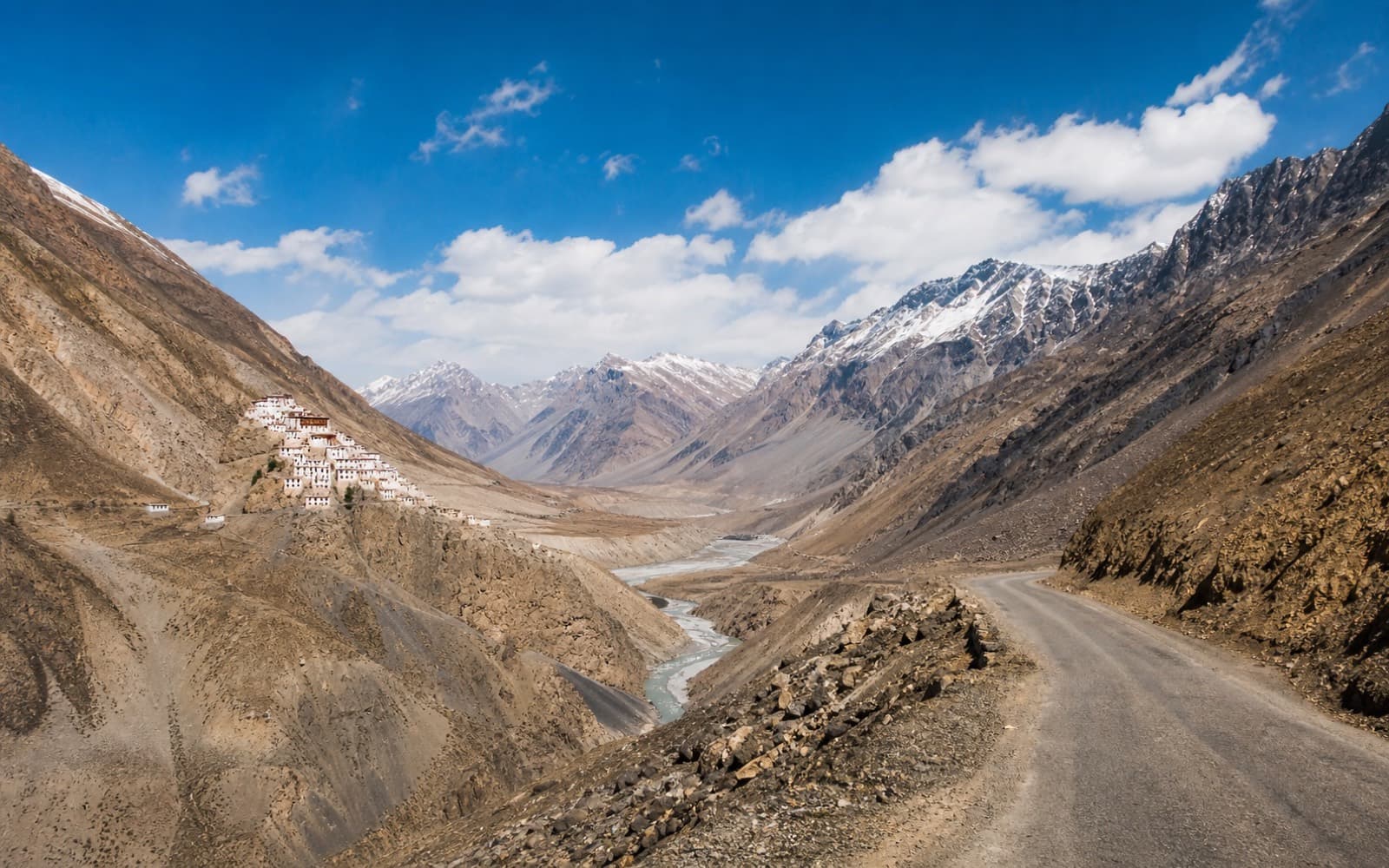
If you want clear mountain roads instead of flowers, the same region is beautiful in April–June and October, but the valley itself will not be in bloom.
The road and the trek
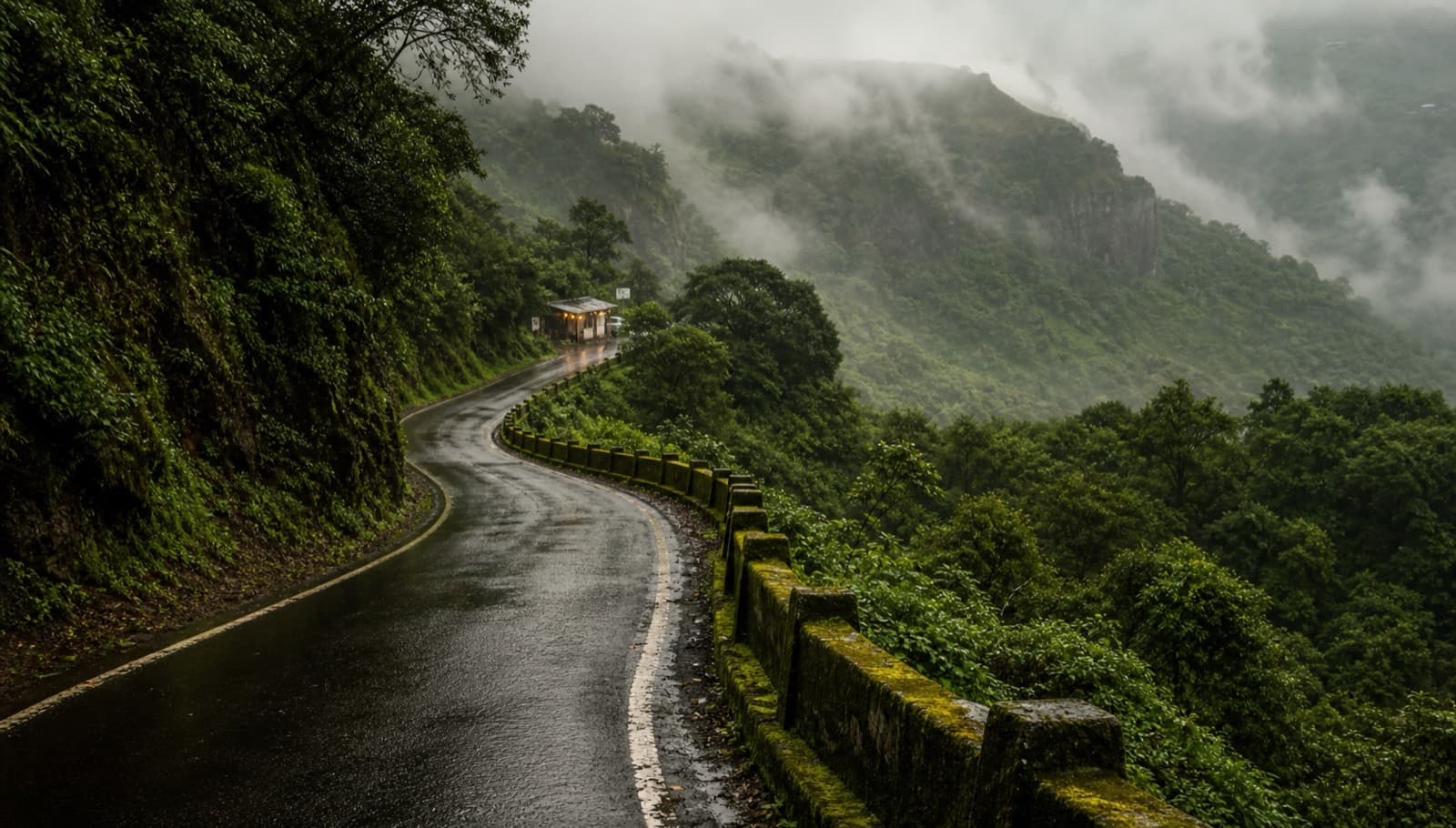
The drive runs from Rishikesh up through Devprayag and the river confluences to Joshimath, climbing steadily through classic Garhwal pilgrim country. Give yourself a night to acclimatise at Joshimath before driving the short distance to Govindghat, where the road ends and the trek begins.
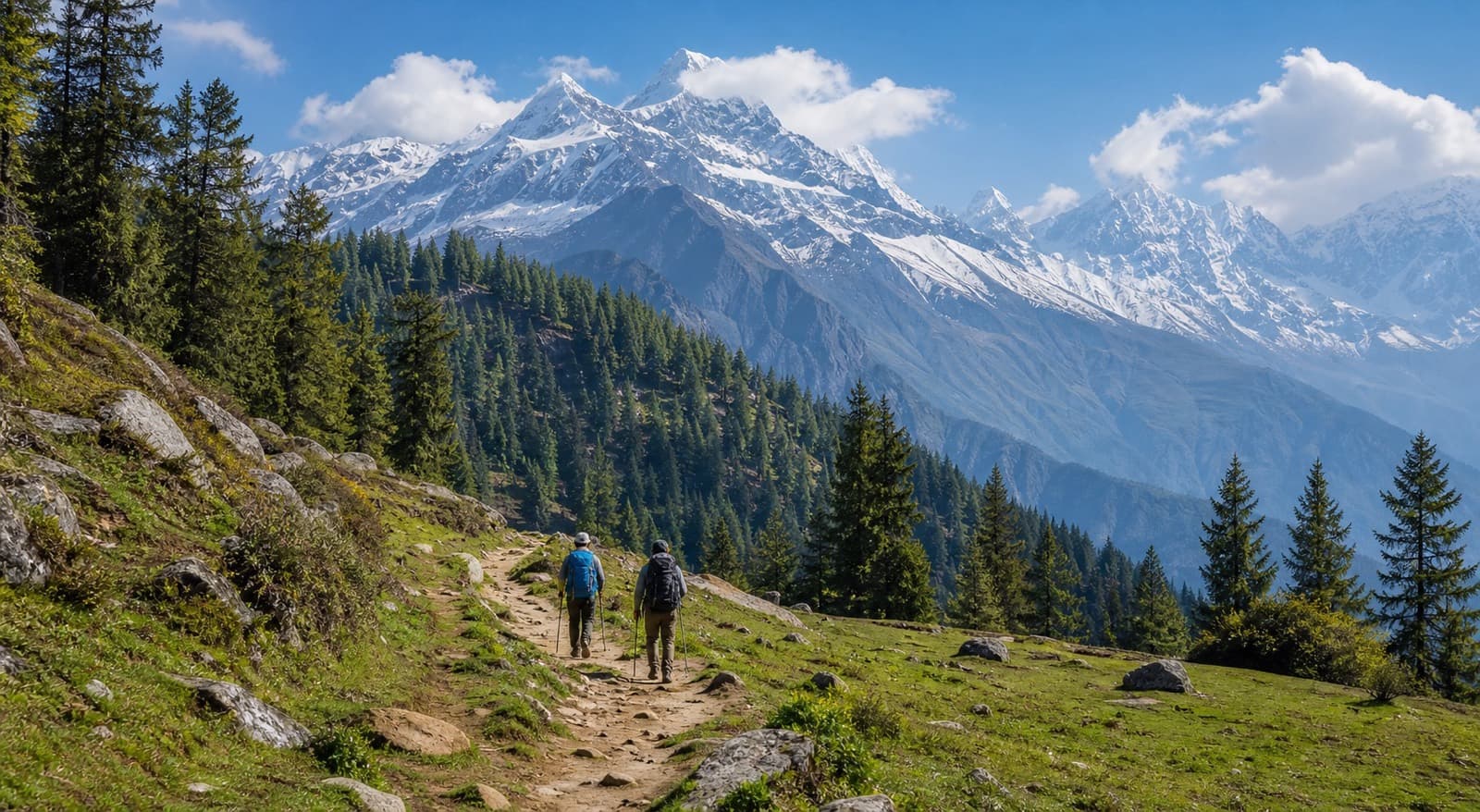
From Govindghat you walk up to Ghangaria, the base village, and day-trek into the Valley of Flowers from there. There are no stays inside the valley itself, so Ghangaria is where you sleep. The nearby Hemkund Sahib, a high glacial lake and gurudwara, is a steeper add-on for those who are fit and acclimatised.
Plan it safely
This is a permit-controlled national park with fixed entry timings and no overnight stays inside, so plan to enter early and return to Ghangaria the same day. Carry proper rain gear, quick-dry layers, and footwear with grip — the monsoon trail is wet and slippery.
Build in spare days for weather and roadblocks, keep your itinerary flexible, and treat any sign of altitude sickness seriously by descending rather than pushing on. A good Himalayan trip is measured by the margins you leave, not the schedule you keep.
Interactive route map
Valley of Flowers route orientation map
Key stops
- - Rishikesh
- - Devprayag
- - Joshimath
- - Govindghat
- - Ghangaria
Terrain warnings
- - The valley only blooms in the monsoon — landslide risk is real
- - No stays inside the valley; base at Ghangaria
- - Acclimatise at Joshimath before the trek
Common questions
Frequently asked questions
When does the Valley of Flowers bloom?
The valley is in bloom during the monsoon, roughly mid-July to early September, with peak flowers usually in August. Outside this window the meadow is green but not flowering, and the park is closed in winter.
How hard is the Valley of Flowers trek?
It is a moderate trek. You walk from Govindghat to the base village of Ghangaria (around 9–10 km), then day-trek into the valley. Reasonable fitness and acclimatisation at Joshimath beforehand make it very doable for most travellers.
Do you need a permit for the Valley of Flowers?
Yes. It is a national park with a paid entry permit, fixed timings, and no overnight stays or camping inside. You enter for the day from Ghangaria and return the same evening.
Where do you stay near the Valley of Flowers?
At Ghangaria, the small base village, which has basic guesthouses. There is no accommodation inside the valley itself, so all visits are day trips from Ghangaria.